
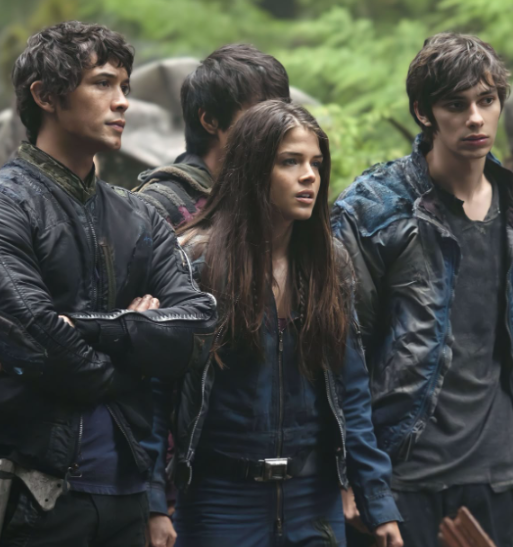
Season three does not ease people in gently like earlier parts did. It begins with distinct plots that run concurrently, which may seem somewhat disjointed initially. Arkadia attempts to create some normal organization, yet external intruders disrupt all of it. There is also a noticeable shift toward political tension rather than just survival chaos. That difference matters because decisions start affecting larger groups, not just individuals anymore.
Breaking down how episodes are structured here
If someone is checking the 100 S3 episodes, they will notice the pacing feels uneven sometimes. There are those that are dialogue-laden and rich in planning, and others that spring directly into conflict with little notice. This renders the season a matter of the unknown, though not necessarily flowing seamlessly. A few episodes slow things down for character focus, then suddenly switch into intense action again. It is not consistent, but it does keep attention from dropping completely.
The role of artificial intelligence gets complicated
Among the largest aspects that have been added here is the concept of AI determining human choices. That is dramatic-sounding, but it is dealt with in a manner that mixes technology with the belief systems. The AI named ALIE takes center stage, and people are affected by it in ways that might seem to make sense and appear frightening. It does not merely become a machine issue, but almost becomes more of an ideology. That makes it harder to fight because people willingly accept it.
Why episode progression feels slightly messy
Looking closely at the 100 episode s3, there are moments where the story jumps between locations too quickly. It can feel like certain plotlines are paused and then suddenly picked up again later. This does not completely break the experience, but it does require attention. Missing small details can make later episodes confusing. The structure seems less focused compared to earlier seasons, even though the stakes are higher.
Clarke’s position becomes more isolated over time
Clarke spends a lot of this season separated from her usual group. That changes her decision-making in noticeable ways. Without constant support, she starts acting more independently, sometimes in extreme ways. Her role shifts from group leader to someone working alone for bigger outcomes. It feels practical in context, but also creates emotional distance from other characters. That distance becomes important later when alliances are tested.
Political tension increases across different groups
Instead of just survival fights, there are more structured conflicts between communities. Grounders, Arkadia, and other factions start dealing with leadership disagreements.
The City of Light concept needs attention
The City of Light idea sounds simple, but it carries a complicated meaning. It represents escape from pain, which is why many characters accept it. At the same time, it removes free will, which becomes the main issue. This conflict drives a large part of the season forward. It is not just about stopping a system but convincing people to reject it. That challenge feels more psychological than physical.
Side characters get mixed levels of attention
Some secondary characters receive more development, while others fade into the background unexpectedly. This uneven focus can feel a bit off depending on expectations. Certain storylines are explored deeply, while others seem rushed or incomplete. It creates an inconsistent experience, though not entirely negative. The variety still adds layers, even if it lacks balance.
Technology versus humanity becomes a central theme
The season constantly pushes the idea of whether technology should guide human choices. ALIE represents a controlled, painless existence, which sounds appealing in extreme situations. On the other hand, human decision-making is messy but allows freedom. This contrast appears repeatedly across episodes. It is not resolved quickly, which keeps tension alive throughout the season.
Ending episodes shift tone quite sharply
Toward the final part of the season, the tone changes again without much warning. Things become more urgent and focused, with less time spent on side plots. The story narrows down to resolving the main conflict around AI control. This shift feels necessary, though slightly rushed compared to earlier buildup. It still manages to bring major threads together, even if not perfectly.
Conclusion
The third season is special, as it leaves the realms of bare survival and drives towards complicated theories regarding authority and faith. The episode structure is not very even, yet it also speaks of how chaotic the situation in the story is. Characters are also forced to make choices that do not necessarily make sense. The AI’s existence alters the approach to the problem, turning it less material and more ideological. Considering the entire season, it can be seen that the emphasis is not on surviving but on making a choice on how to live. The difference influences everything in certain ways that are subtle yet noticeable.